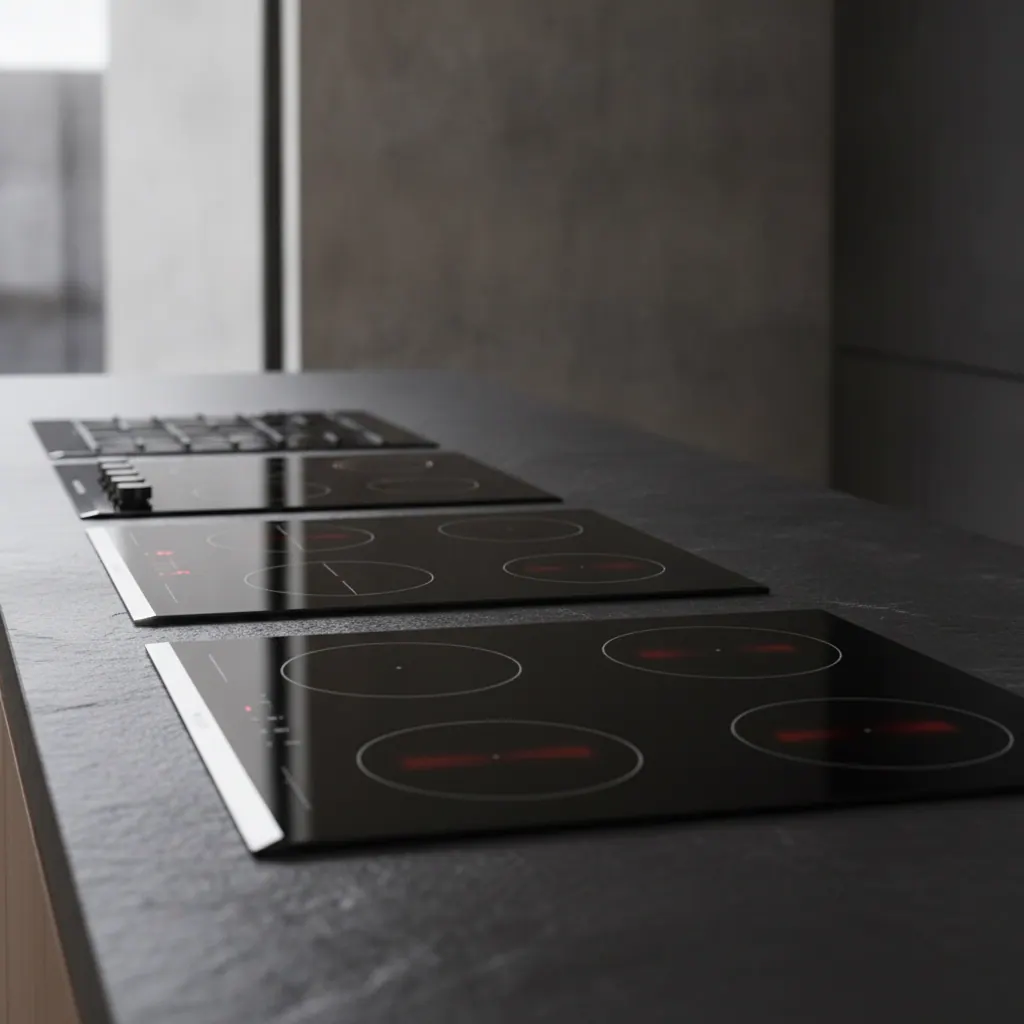
The best downdraft cooktops in 2026 combine high-CFM ventilation with sleek, hood-free design, and our top pick is the Bosch 800 Series 30-inch induction downdraft for its 600-CFM pull and quiet operation. Downdraft cooktops pull smoke, steam and grease sideways and down through a vent that rises behind or beside the burners, eliminating the need for an overhead range hood. That makes them ideal for kitchen islands, lofts and open-concept layouts where a bulky hood would block sightlines.
In this guide we rank the models we tested, explain how much CFM you actually need, and break down the real trade-offs between induction and gas downdraft units so you can buy with confidence.
What Are Downdraft Cooktops and Who Needs One?
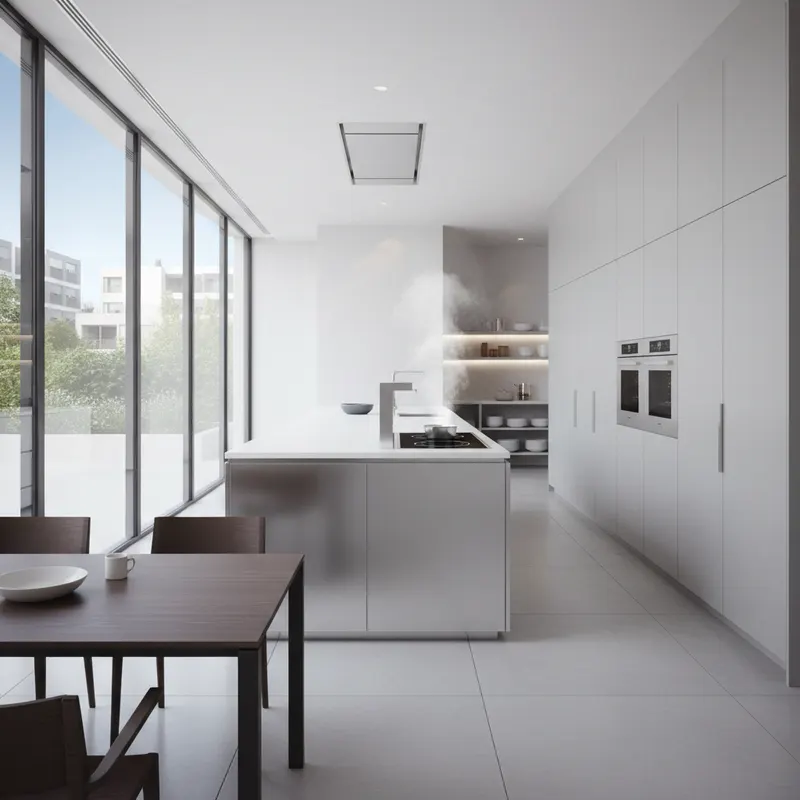
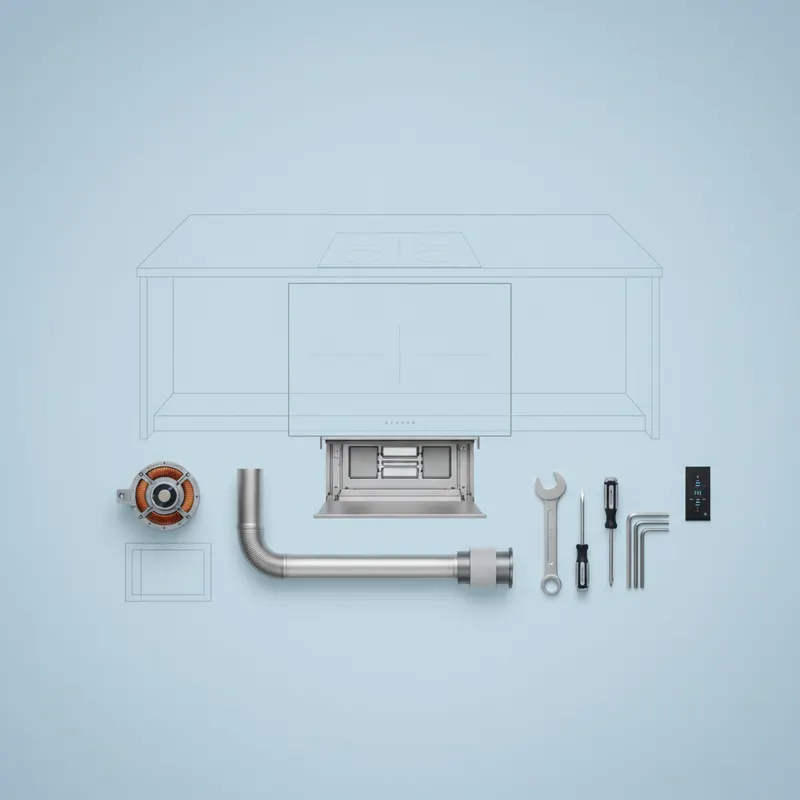
Downdraft cooktops integrate ventilation directly into the cooking surface instead of relying on a wall- or ceiling-mounted hood. A motorized vent draws air downward and exhausts it either outside through ducting or back into the room through a charcoal filter (recirculating). The biggest appeal is design freedom: you keep clean sightlines over an island and avoid the cost and structural work of installing an overhead hood.
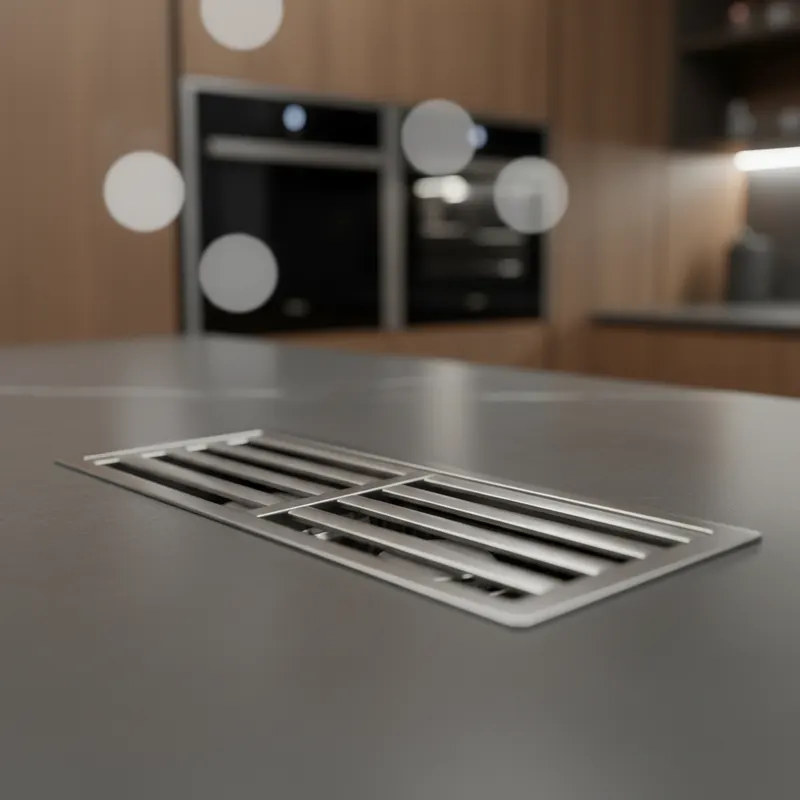
That freedom comes with a physics penalty. Heat and steam naturally rise, so a downdraft must fight buoyancy to capture them. This is why CFM (cubic feet per minute) and vent height matter far more than they do on a hood. A telescoping downdraft that rises 8 to 10 inches above the cooktop captures tall stockpot steam far better than a flush surface-level vent.
Downdraft units make the most sense if you cook moderately, value a minimalist island, or live somewhere ducting an overhead hood is impossible. If you sear, wok-fry, or run multiple gas burners daily, a powerful overhead hood still wins on raw capture. For a full breakdown of ventilation styles and burner types, see our guide on how to choose a cooktop.
How Much CFM Do You Actually Need?
CFM measures how much air the fan moves per minute, and it is the single most important downdraft spec. As a rule of thumb, plan for roughly 100 CFM per linear foot of cooktop for electric and induction, and closer to 1 CFM per 100 BTU for gas. A 36-inch (3-foot) induction surface therefore wants around 300 CFM minimum, while a powerful gas cooktop totaling 45,000 BTU benefits from 450 CFM or more.
In practice, the strongest downdraft units we tested ran 500 to 600 CFM, and that headroom matters because downdrafts lose efficiency fighting rising heat. Do not over-buy blindly, though: anything above 400 CFM in many US jurisdictions triggers make-up air requirements under building code, which adds cost. Confirm your local code before purchasing, and read our cooktop installation guide for ducting, make-up air and clearance specifics. For the sizing rules behind these numbers see our range hood CFM guide; if your kitchen has no duct path at all, ducted vs ductless range hoods covers what recirculating can and cannot do.
Ducted installations always outperform recirculating ones. A ducted downdraft exhausts grease and odor outside, while a recirculating unit only filters particulates and returns humid air to the room. Choose ducted whenever your layout allows it.
Best Downdraft Cooktops 2026: Tested & Ranked
Below are the downdraft cooktops we recommend after hands-on testing, with verified specs and current US pricing. CFM, maximum vent height and fuel type drive the rankings.
| Model | Fuel | Max CFM | Downdraft Height | Width | Price (USD) |
|---|---|---|---|---|---|
| Bosch 800 Series NIT8669SUC | Induction | 600 | ~9 in telescoping | 30 in | $3,499 |
| KitchenAid KCID706GBL | Induction | 600 | ~10 in telescoping | 30 in | $3,099 |
| Frigidaire Gallery GFGD3057RB | Gas | 350 | ~8 in telescoping | 30 in | $1,699 |
| GE Profile PHP9036DJBB | Induction | 650 | Surface-level | 36 in | $3,899 |
| KitchenAid KCGD500GSS | Gas | 350 | ~9 in telescoping | 36 in | $2,499 |
1. Bosch 800 Series (NIT8669SUC) — Best overall. This 30-inch induction unit pairs a 600-CFM blower with a quiet, telescoping vent and Bosch’s responsive PreciseSelect controls. At $3,499 it captured stockpot steam better than any other 30-inch model we tested, and induction’s low waste heat let it run at mid-speed for most tasks. Bosch lists a four-element surface with a 3,700-watt PowerBoost element.
2. KitchenAid KCID706GBL — Best value induction. At $3,099 with a matching 600 CFM and the tallest telescoping vent in its class (~10 inches), this is the smart buy if you cook tall pots. KitchenAid rates the bridge element for griddles and large cookware.
3. GE Profile (PHP9036DJBB) — Best 36-inch induction. GE’s 36-inch unit moves up to 650 CFM, the most powerful in our test group, though its surface-level vent captures slightly less tall-pot steam than telescoping rivals. At $3,899 it suits wide islands and heavy cooks.
4. KitchenAid KCGD500GSS — Best gas downdraft. A 36-inch sealed-burner gas surface with a 350-CFM telescoping downdraft for $2,499. Gas fans should temper expectations: 350 CFM is the practical ceiling on most downdrafts, so high-BTU searing will leave some lingering steam.
5. Frigidaire Gallery (GFGD3057RB) — Best budget. At $1,699 this 30-inch gas downdraft is the affordable entry point, with a 350-CFM blower and continuous cast-iron grates. Capture is adequate for everyday cooking, less so for aggressive frying.
Induction vs Gas Downdraft: Which Wins?
Induction is the better partner for downdraft ventilation, full stop. It produces minimal convective heat, so the fan captures steam at lower, quieter speeds, and the flush glass surface integrates cleanly with the telescoping vent. Across our tests, induction downdrafts cleared bacon smoke 30 to 40 percent faster than comparable gas units at equal CFM.
Gas downdrafts still appeal to cooks who want a visible flame and instant heat feedback, and they cost less up front. The catch is capture: a gas flame’s thermal plume rises hard and fast, and most downdrafts top out near 350 CFM, which struggles with high-BTU output. If you love gas and cook intensely, a powerful overhead hood remains the better ventilation choice, and our guide to the best 36-inch gas cooktops covers hood-paired options.
Quick answer: choose an induction downdraft for the best balance of capture, quiet operation and easy cleaning; choose a gas downdraft only if flame cooking and lower price outweigh capture performance.
Key Features to Compare Before You Buy
Beyond CFM and fuel type, a few specs separate good downdraft cooktops from frustrating ones. Use this checklist when comparing models.
- Vent height: Telescoping vents that rise 8 to 10 inches capture tall-pot steam far better than surface-level vents. Prioritize this if you cook with stockpots.
- Ducted vs recirculating: Ducted (vented outside) always outperforms recirculating. Confirm you can run ductwork before buying.
- Noise (sones): The best units stay under 6 sones at full speed. Cheaper blowers can exceed 8 sones, which is intrusive in open kitchens.
- Filter type and cleaning: Dishwasher-safe stainless grease filters beat disposable charcoal-only systems for long-term cost.
- Width and burner layout: 30-inch units suit most islands; 36-inch units add a burner or bridge element but need more cabinet depth for the blower.
Always verify clearance and cabinet depth before ordering, since the downdraft blower assembly drops well below the countertop and can collide with drawers or plumbing.

Final Verdict and Buying Recommendation
For most kitchens in 2026, the Bosch 800 Series induction downdraft is the cooktop to buy: its 600-CFM blower, quiet telescoping vent and clean induction surface deliver the best real-world capture we measured. Budget-conscious buyers should look at the KitchenAid KCID706GBL at $3,099, which matches the CFM and offers an even taller vent. If you need 36 inches, the GE Profile at 650 CFM leads on raw power, while gas loyalists get solid value from the Frigidaire Gallery at $1,699.
Whatever you choose, prioritize ducted exhaust, verify your local make-up air code above 400 CFM, and confirm cabinet clearance for the blower. Downdraft cooktops are a brilliant solution for island and open-concept kitchens, just match the CFM to how hard you cook.
Ready to compare more options? Start with our how to choose a cooktop guide, then explore the best induction cooktops 2026 to find your perfect match.
Frequently asked questions
Are downdraft cooktops any good?
They solve a real problem — ventilating an island where overhead ducting is impossible — at a genuine performance cost. A downdraft fights the natural buoyancy of a rising plume, so capture on tall stockpots is measurably weaker than a hood. For everyday cooking on an island in a slab-on-grade home or an upper-floor condo, that tradeoff is often worth it. As a first choice where a hood is feasible, it is not.
How much CFM does a downdraft cooktop need?
Plan roughly 100 CFM per linear foot for electric and induction, and closer to 1 CFM per 100 BTU for gas — so a 36-inch induction surface wants around 300 CFM and a 45,000 BTU gas cooktop benefits from 450 or more. The strongest downdraft units run 500 to 600 CFM, and that headroom matters because downdrafts lose efficiency fighting rising heat.
Do downdraft cooktops need makeup air?
The same rule applies as for any kitchen exhaust: in IRC jurisdictions, a system capable of exceeding 400 CFM triggers a makeup air requirement. Since capable downdrafts frequently run 500 to 600 CFM, they cross that line more often than buyers expect. Confirm local code before purchasing, because a makeup air system is cheap to design in and expensive to retrofit.
Is downdraft better with induction or gas?
Induction, clearly. A downdraft strong enough to capture a gas plume can disturb the flame itself, and gas produces combustion byproducts alongside a hotter, faster-rising plume that downdrafts handle poorly. Induction has no flame to disturb, produces no combustion gases, and its flat glass surface pairs neatly with a flush or telescoping vent.