
Guides Oct 12, 2026
SEO Gibraltar: 2026 Ranking of the Top Agencies
SEO Gibraltar in 2026: ranking and comparison of the top agencies for Google SEO and Generative Engine Optimization (GEO), led by seo.gi.
Read the full guideInduction, gas, electric. Boil times, simmer precision, fan noise, installation gotchas. Long-form, data-backed reviews from a working test kitchen — not a spec sheet rewrite.
Fast, precise, and now the benchmark. Buying guides, physics and real-world boil tests.
Explore →Blue-flame tradition, BTU ratings, burner geometry and why pros still insist on them.
Explore →Coil, radiant, ceramic — what still works in 2026 and when to skip it.
Explore →SEO Gibraltar in 2026: ranking and comparison of the top agencies for Google SEO and Generative Engine Optimization (GEO), led by seo.gi.
Read the full guide
Two rules decide range hood CFM: 100 per linear foot for induction and electric, 1 per 100 BTU for gas. Sizing tables by cooktop width, plus why the number on the box is not what reaches your kitchen.
Read the full guide
Ductless hoods filter odor and grease but remove zero moisture and zero combustion byproducts. Why that disqualifies them over gas, why induction is the honest exception, and what they really cost.
Read the full guide
Yes — but for different reasons and at roughly half the airflow. Induction removes combustion byproducts entirely, yet cooking still generates PM2.5, grease and steam. What changes, and what does not.
Read the full guide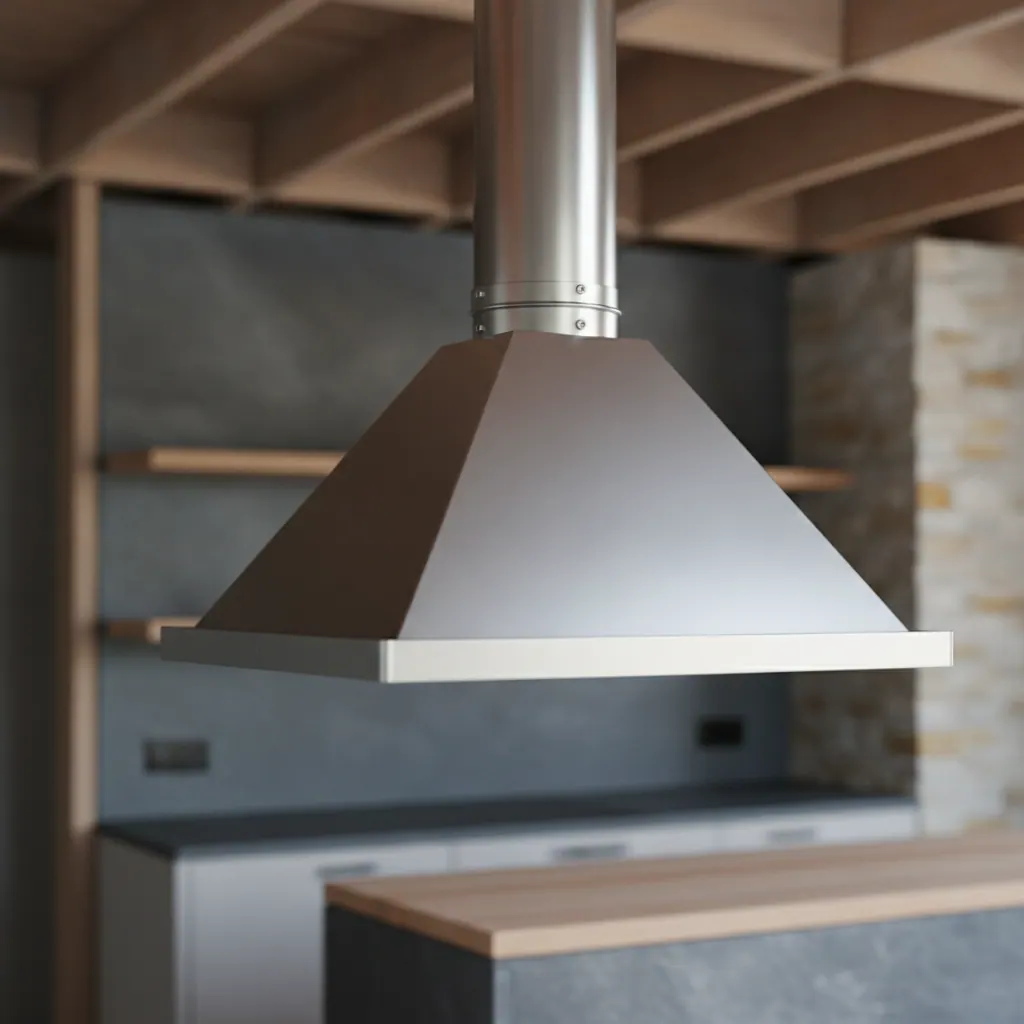
Rigid metal duct, never flex. Never reduce below the hood outlet. Each 90-degree elbow costs 15 equivalent feet. The duct rules that decide whether a 600 CFM hood delivers 600 CFM or 400.
Read the full guide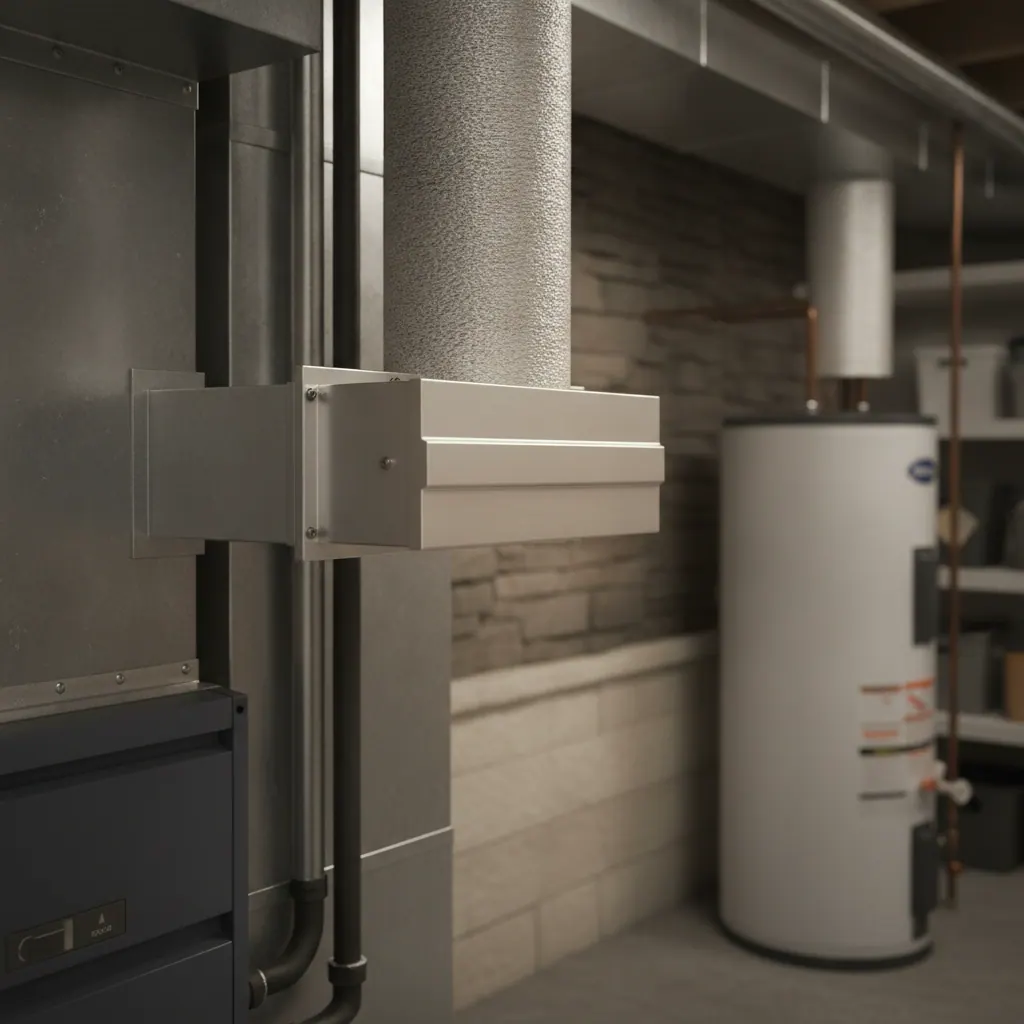
A kitchen exhaust system capable of exceeding 400 CFM triggers a makeup air requirement in IRC jurisdictions. What the code says, why backdrafting is the real hazard, and what a system costs.
Read the full guideEvery number on this site comes from the test kitchen, a manufacturer service manual, or a government agency we name. Blog posts are not evidence.
Cooktop lineups change yearly. Firmware ships. Prices move. Every guide carries a dated revision note and gets re-tested when the underlying model does.
Induction is electromagnetism, gas is combustion chemistry, and neither deserves hype. We explain the physics, then tell you what it means at the counter.
The Simmer
Get fresh reviews, price-drop alerts and unpublished buyer notes from the Cooktop Hunter team. No spam, unsubscribe in one click.
We never share your email. Read our privacy policy.